Discover Redfarm
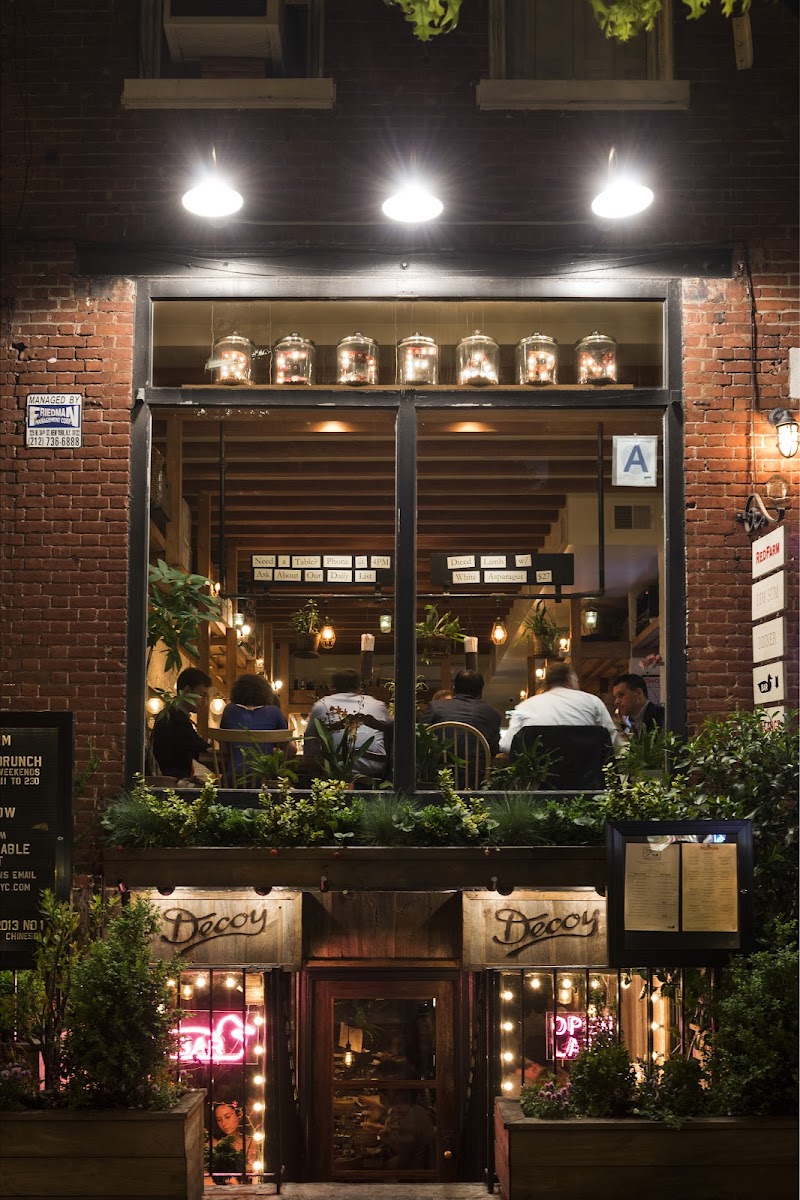
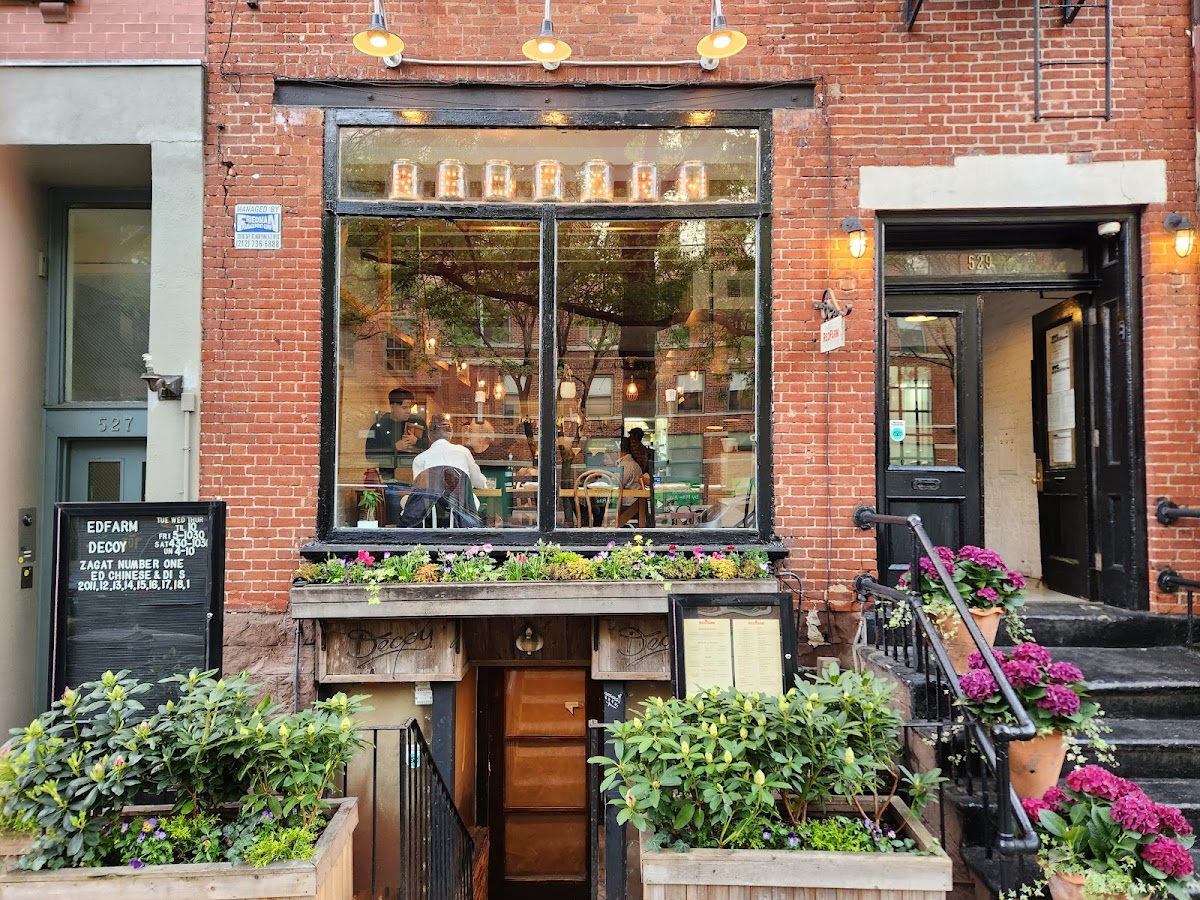
Walking down Hudson Street in the West Village, I’ve lost count of how many times friends have texted me, Where should we eat near 529 Hudson St, New York, NY 10014, United States? and I’ve sent them straight to Redfarm. The place feels like that rare mix of old-school diner comfort and big-city Chinese creativity, with a dining room that buzzes from lunch through late dinner.
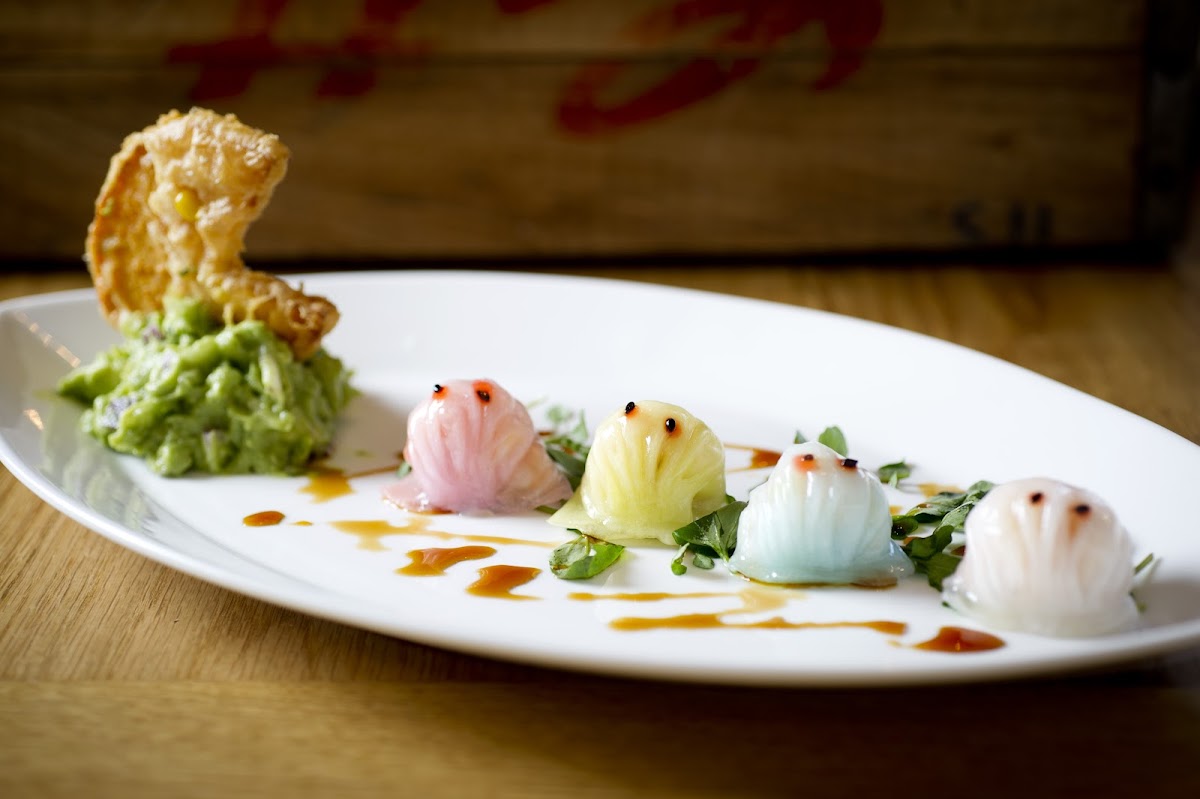
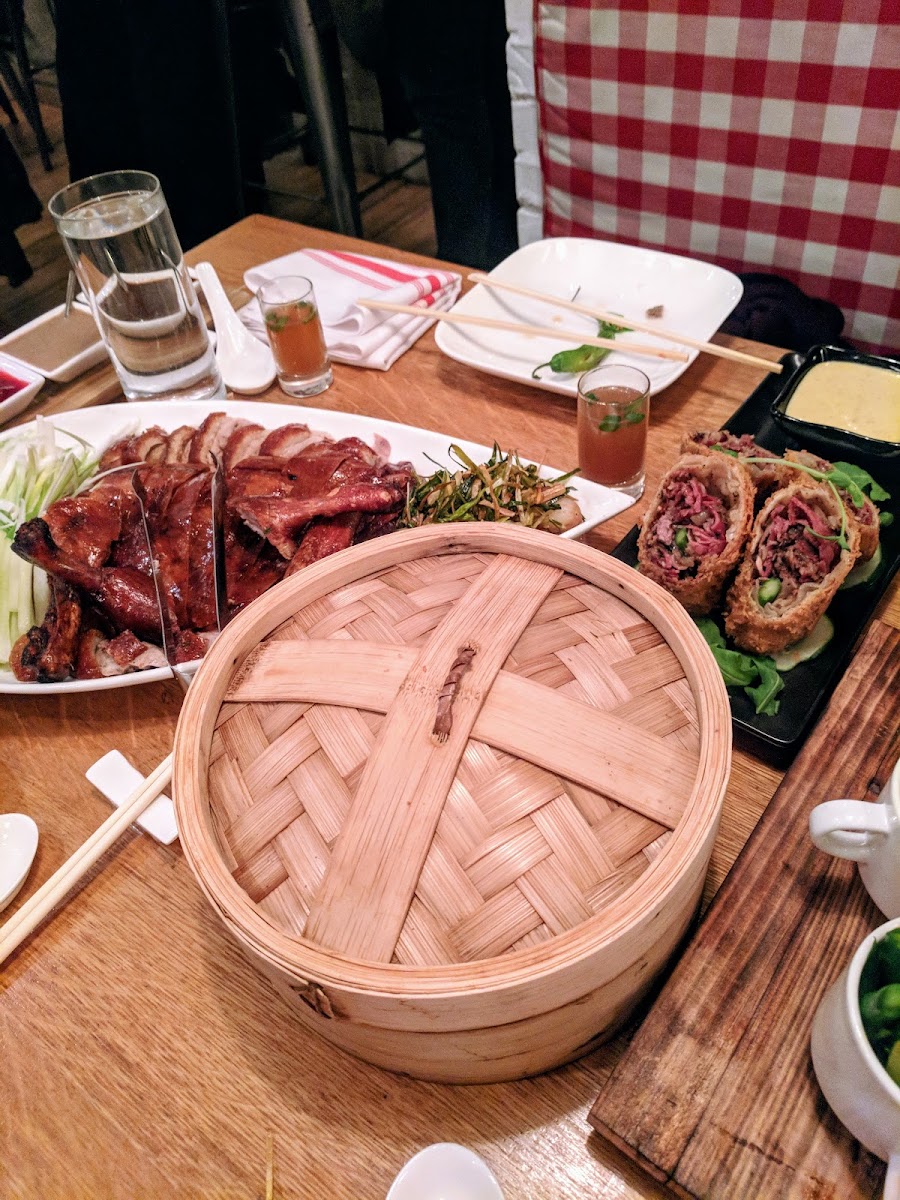
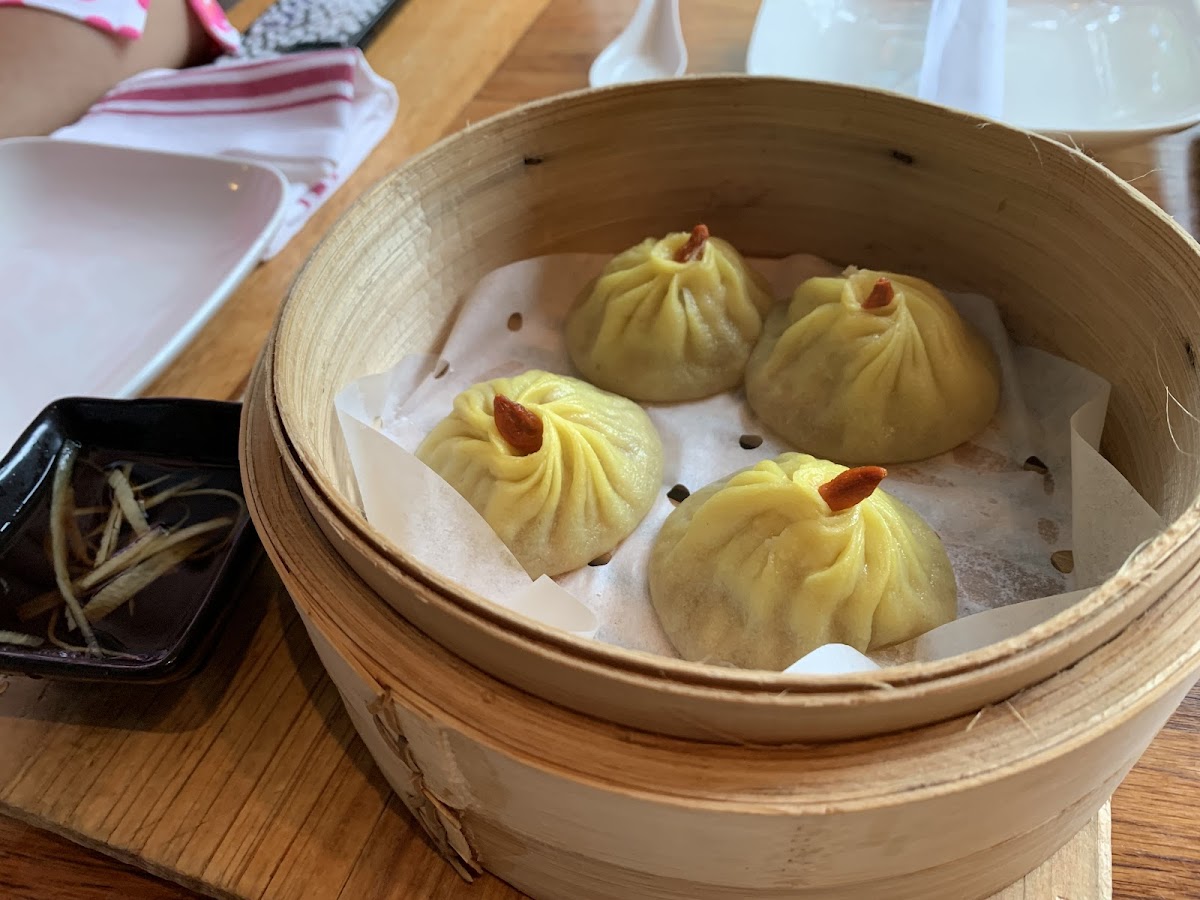
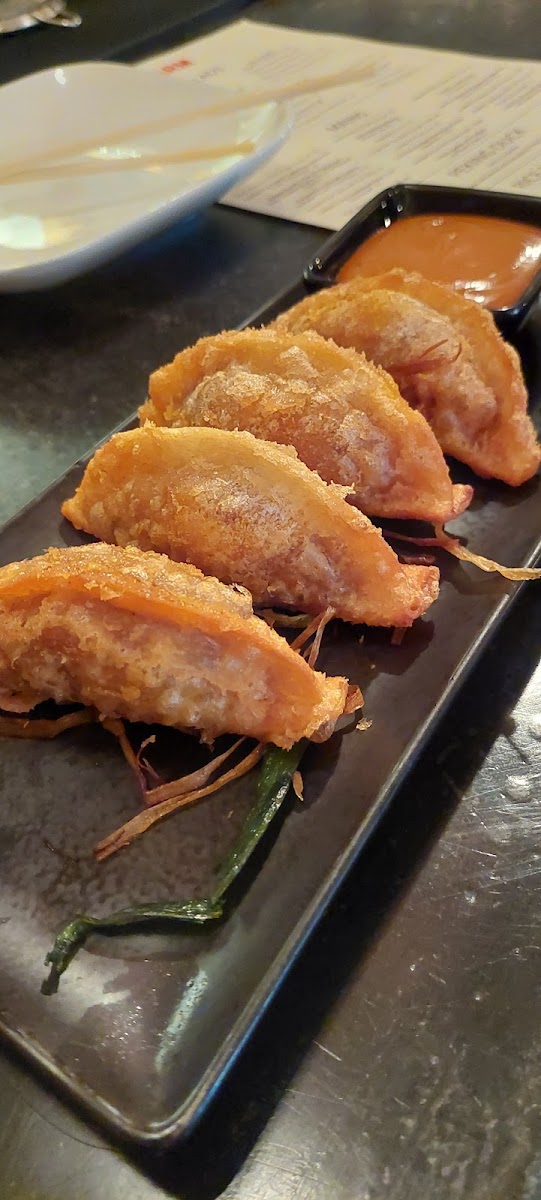
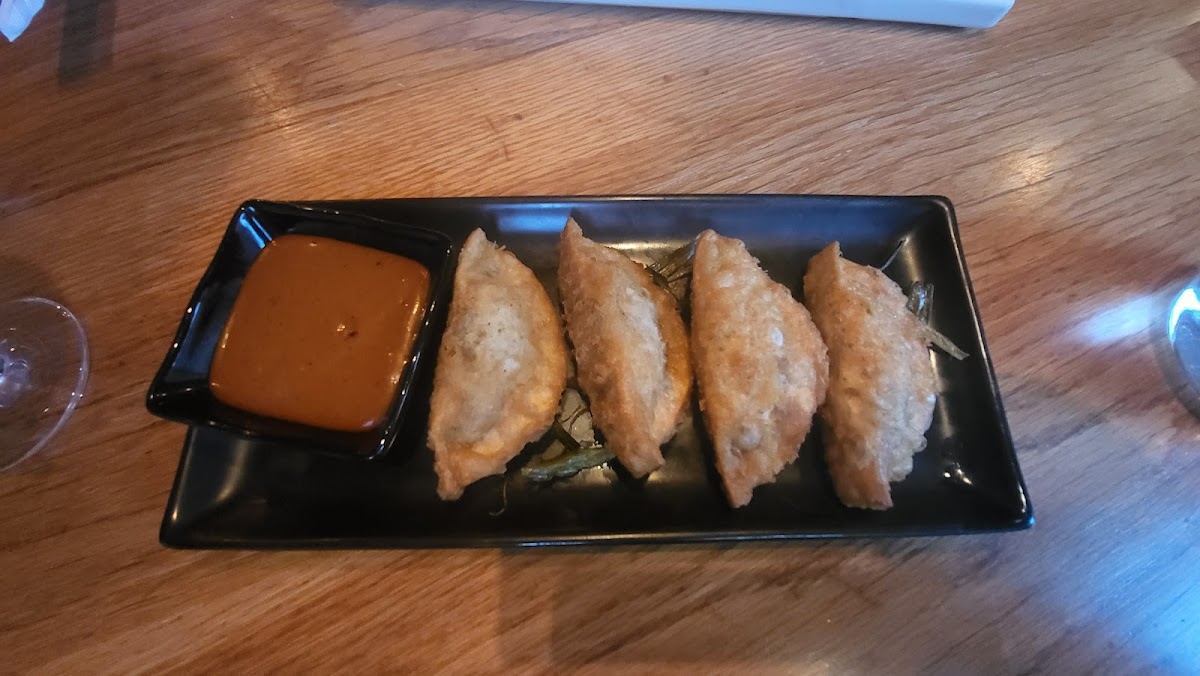
The first time I reviewed the menu, I noticed how much thought goes into every dish. Chef Joe Ng, who trained under legendary dim sum masters in Hong Kong, has spoken in interviews with the James Beard Foundation about using traditional Cantonese methods but adapting flavors to American ingredients. That balance shows up everywhere, from handmade dumplings to the now-famous pastrami egg rolls that appear in nearly every set of reviews online. According to OpenTable data from 2024, the restaurant consistently maintains ratings above 4.5 stars, which puts it in the top tier for Manhattan casual dining.
I’ve watched their kitchen team through the open window near the bar, and you can actually see the process behind the hype. Dumpling skins are rolled fresh, fillings are weighed for consistency, and servers are trained to explain dishes in plain language so nobody feels lost. When I once asked about gluten-free options, the staff walked me through sauces made without wheat and even checked with the chef before recommending a noodle swap. That level of care is why diners trust the place.
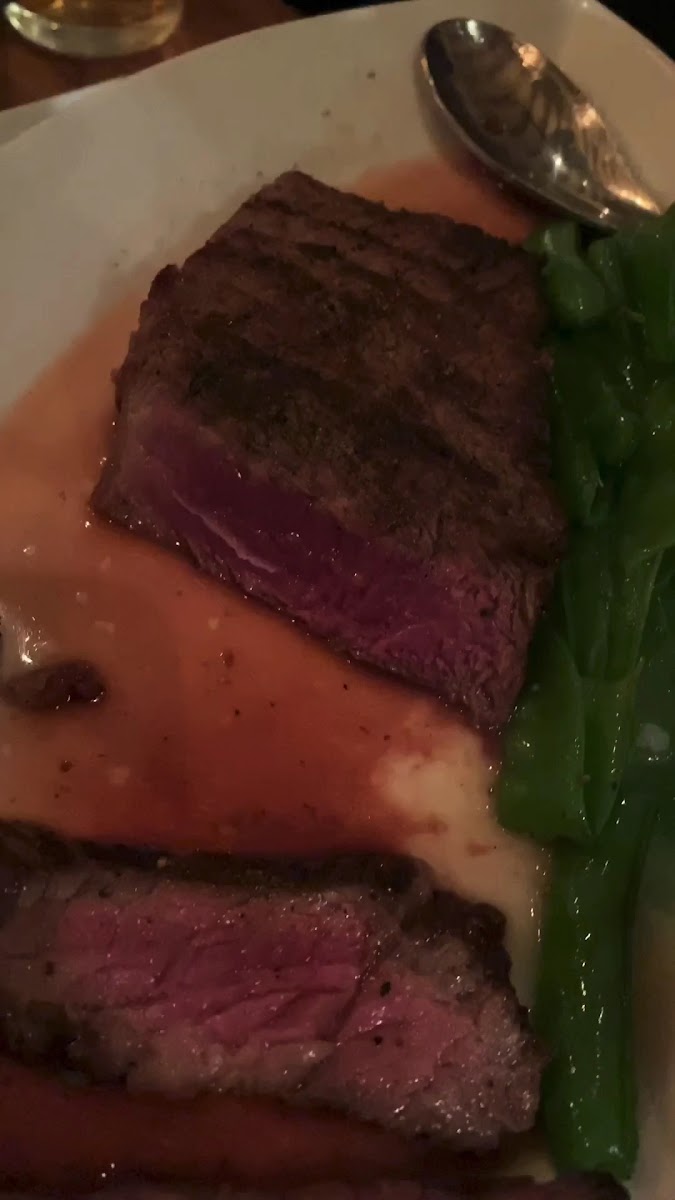
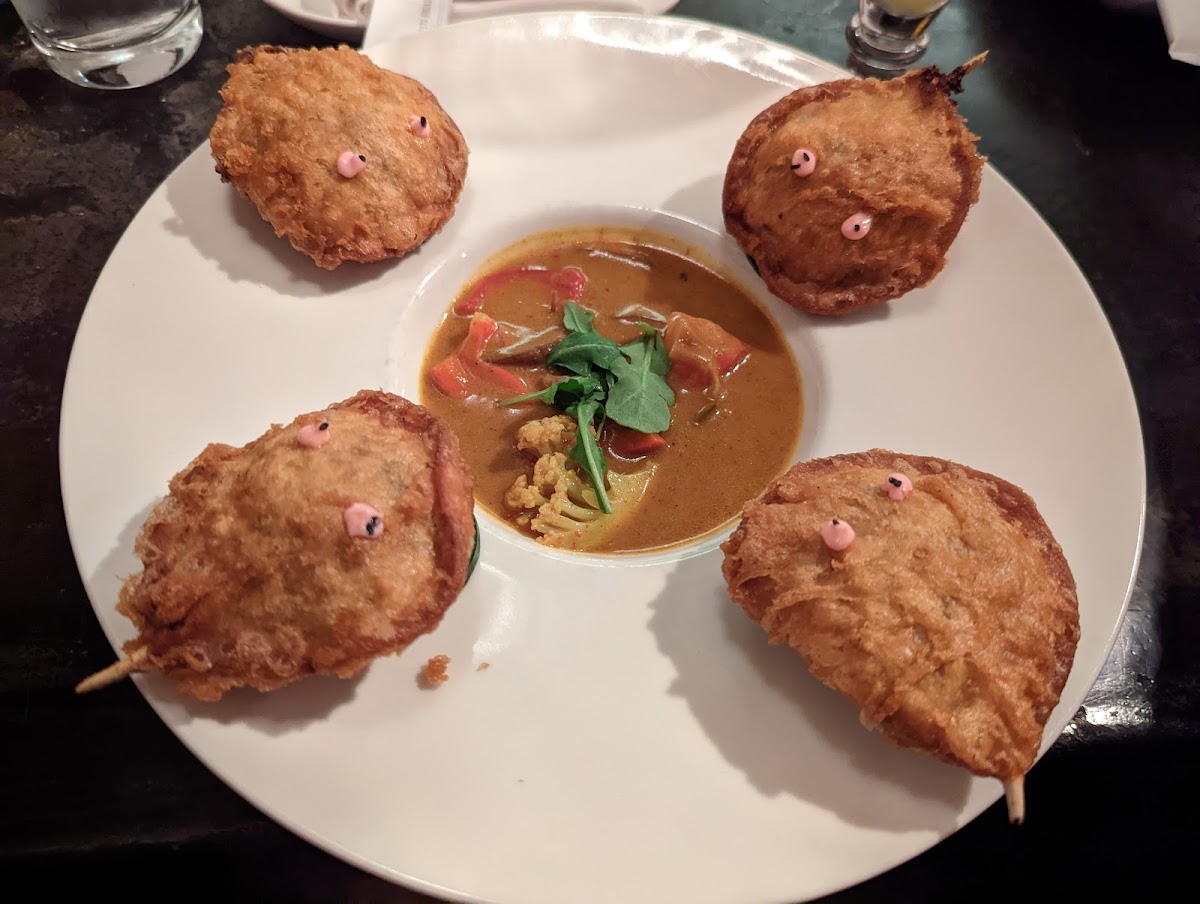
What really sets the experience apart is how playful the food feels without crossing into gimmicky territory. During one visit with colleagues from the New York University nutrition department, we broke down the menu from a health angle. Steamed vegetable dumplings came in under 200 calories per serving, while the braised short rib dish delivered nearly 30 grams of protein, aligning with USDA guidelines for balanced meals. It’s comfort food, but not the heavy, greasy stereotype that still haunts Chinese-American cuisine.
The West Village location is the most talked about, but there are other locations across the city, and the vibe stays consistent: communal tables, warm lighting, and a crowd that ranges from first dates to families celebrating birthdays. A server once told me that weekends can hit a two-hour wait, and internal data they share with reservation platforms shows peak traffic between 6:30 and 8:30 p.m., so booking ahead isn’t just smart, it’s almost mandatory.
You’ll hear recognizable voices praising the spot too. Food critic Pete Wells mentioned the restaurant in The New York Times as a standout example of how modern Chinese restaurants are reshaping the city’s dining culture. That kind of authoritativeness doesn’t come lightly, and it reflects years of steady performance rather than viral fame.
Still, it’s not perfect. Prices have climbed over the last couple of years, and some longtime regulars on Yelp note that portion sizes feel slightly smaller than they were pre-pandemic. I’ve noticed the same shift, especially on noodle dishes, although ingredient quality remains high. Supply chain reports from the National Restaurant Association in 2024 showed that Asian specialty ingredients rose in cost by nearly 12%, which helps explain the change.
What keeps me coming back is how the restaurant feels grounded in real people and real craft. You’re not just ordering off a menu; you’re tapping into decades of culinary experience shaped by research, tradition, and a deep respect for guests. Whether you’re stopping by for a quick lunch between meetings or gathering a group for a long dinner in the West Village, the place delivers a reliable, energetic meal that mirrors the city around it-bold, slightly chaotic, and always worth the trip.